

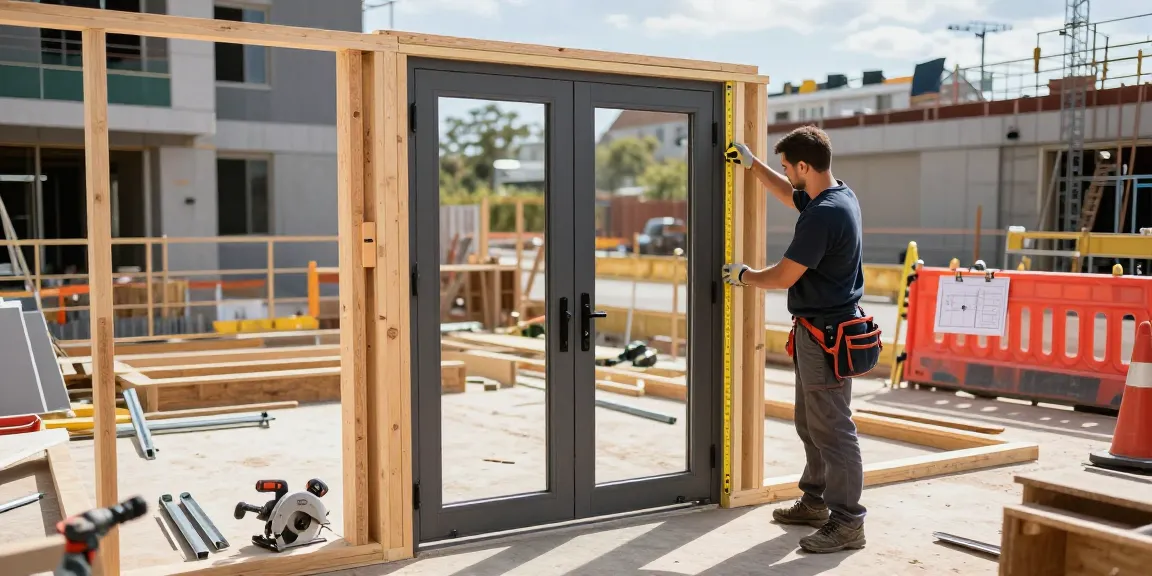
Understanding Single Leaf Double Swing Doors
In the world of architectural design and construction, the single leaf double swing door plays a pivotal role in enhancing accessibility and aesthetics. These doors are not only functional but also add an element of elegance to both residential and commercial spaces. Understanding their characteristics, benefits, and applications is essential for homeowners, architects, and builders who are looking to create seamless transitions between spaces while maximizing functionality.
What is a Single Leaf Double Swing Door?
A single leaf double swing door consists of two door panels (or leaves) that are hinged on opposite sides, allowing them to swing in both directions. These doors are typically used in wide openings where foot traffic is prevalent, providing an unobstructed passageway while maintaining a stylish appearance. Unlike traditional doors that may only swing one way, double swing doors are designed to facilitate easy access, making them ideal for environments with high traffic, such as restaurants, hospitals, and retail stores.
Key Characteristics and Benefits
- Ease of Use: Double swing doors operate smoothly in both directions, making them user-friendly for people carrying items or navigating through crowded areas.
- Space Efficiency: Their design allows for a wider opening without requiring additional floor space for swing paths, ideal for compact areas.
- Enhanced Aesthetics: Available in various materials, styles, and finishes, these doors contribute significantly to the overall design of a space.
- Versatile Applications: Their functional versatility makes them suitable for various environments, from commercial to residential settings.
Advantages of Single Leaf Double Swing Doors
Enhanced Accessibility and Design
Single leaf double swing doors provide enhanced accessibility, making them particularly beneficial in spaces where users may have mobility challenges. Their ability to open from either side allows for easy navigation and movement, ensuring a smooth flow of traffic. This functionality is invaluable in public spaces, enhancing the overall user experience. Additionally, the design versatility of these doors allows for the incorporation of glass elements, which can improve natural light flow and create an inviting atmosphere.
Space-Efficiency Comparisons
When compared to traditional single-leaf doors, single leaf double swing doors offer significant space-saving advantages. This is particularly important in areas with limited space for door clearance or where maximizing usable floor area is essential. Their swing-open design eliminates the need for additional swing clearance, creating a seamless transition between rooms or outdoor and indoor spaces.
Energy Efficiency Considerations
Energy efficiency is a critical consideration for many builders and homeowners in 2026, making the selection of appropriate door systems paramount. Single leaf double swing doors can be designed with high-performance materials that provide insulation and help maintain indoor temperatures. Adding weather stripping and energy-efficient glazing options further enhances their energy-saving capabilities, making them a practical choice for environmentally-conscious designs.
Installation Best Practices for Contractors
Preparation and Planning Steps
Proper installation of single leaf double swing doors is crucial for ensuring their functionality and longevity. Before beginning the installation process, contractors should conduct thorough measurements of the opening, considering the overall size and any structural support requirements. It is also essential to assess the site conditions, including the floor level and surrounding walls, to ensure that the door can fit correctly without compromising its operation.
Tools and Equipment Needed
To ensure a successful installation, contractors should have the following tools and equipment at their disposal:
- Drill and drill bits
- Screwdriver set
- Level
- Tape measure
- Stud finder
- Shims for leveling
- Safety gear (gloves, goggles)
Step-by-Step Installation Guide
- Begin by removing the existing door, if applicable, and clean the doorway to prepare for the new installation.
- Install the top hinge on the frame at eye level to ensure proper alignment.
- Attach the first door leaf to the hinge and check for level.
- Secure the second door leaf to the opposite hinge and align it with the first leaf.
- Adjust the doors as necessary, using shims to ensure they swing freely without obstruction.
- Finally, install any additional hardware, such as handles and stop plates, to complete the door installation.
Choosing the Right Materials
Common Material Options for Durability
When selecting materials for single leaf double swing doors, durability and resistance to wear are paramount. Common options include:
- Wood: Offers warmth and aesthetic appeal but may require regular maintenance to prevent warping.
- Steel: Provides unmatched strength and security, making it a popular choice for commercial applications.
- Aluminum: Lightweight and resistant to corrosion, ideal for modern architectural designs.
- Fiberglass: An excellent option for energy efficiency and low maintenance, often used in residential applications.
Cost Considerations for Builders
Cost plays a significant role in the decision-making process for builders and homeowners. Factors affecting the price of single leaf double swing doors include material selection, customization options, and installation labor. While wood doors may offer a lower upfront cost, the long-term maintenance expenses can make higher-quality materials like steel or fiberglass a more economical choice over time.
Environmental Impact and Sustainability
With increasing awareness of environmental issues, selecting sustainable materials for single leaf double swing doors is more important than ever. Builders can make choices that reduce environmental impact by opting for responsibly sourced wood, recyclable metals, and energy-efficient designs. These choices not only contribute to sustainability but can also enhance the marketability of the property.
Emerging Trends and Future of Single Leaf Double Swing Doors
Innovations in Door Technologies for 2026
As we move into 2026, innovations in door technologies are set to revolutionize the industry. Automated mechanisms that allow for touchless entry will become increasingly popular, offering convenience and hygiene benefits. Additionally, integrated smart technology will provide enhanced security features, including biometric locks and remote access capabilities, making single leaf double swing doors more functional than ever.
Smart Door Systems and Automation
Smart home technology continues to evolve, leading to the integration of smart door systems in single leaf double swing doors. These systems will allow homeowners to control their doors remotely, receive alerts, and monitor access through mobile devices. Such advancements ensure security while providing convenience for users, a necessary combination in today’s fast-paced lifestyle.
Design Trends Influencing Market Demands
The design landscape for doors is shifting toward minimalist aesthetics, with an emphasis on clean lines and natural materials. The demand for transparency is also growing, leading to an increase in glass components in door designs. Builders and architects are encouraged to stay ahead of these trends to remain competitive in the evolving market.
What are the most common materials used in single leaf double swing doors?
The most common materials include wood, steel, aluminum, and fiberglass, each offering distinct benefits in terms of durability and aesthetic appeal.
How do single leaf double swing doors compare to other types?
Single leaf double swing doors provide superior accessibility and space efficiency compared to traditional single-leaf or sliding doors, making them a versatile choice for various applications.
What factors influence installation costs?
Installation costs can vary based on material choice, customization, labor expenses, and site conditions, emphasizing the importance of careful planning.
How can builders ensure energy efficiency?
Builders can enhance energy efficiency by selecting quality materials, incorporating insulation features, and ensuring proper sealing and installation techniques.
What are the latest design trends for doors in 2026?
Current trends favor minimalist, functional designs with increased use of glass and smart technology integration, reflecting consumer preferences for style and convenience.
