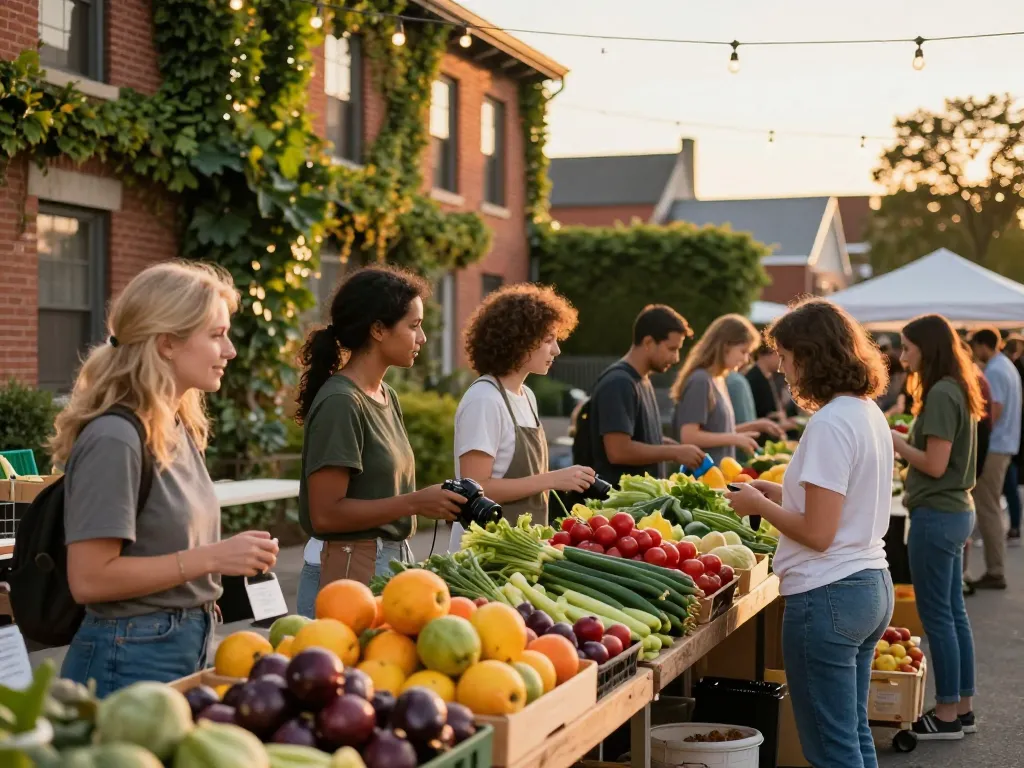
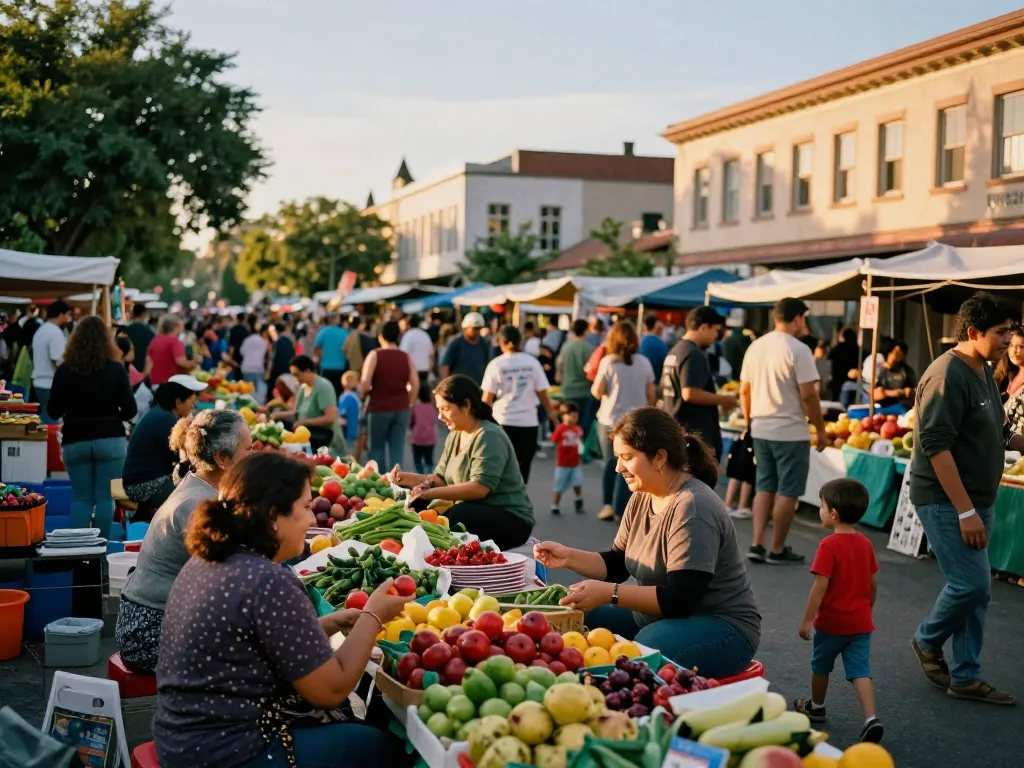
Understanding Community Dynamics
The concept of community is multifaceted, encompassing a range of social structures, relationships, and interactions that bind individuals together. Understanding community dynamics is crucial in addressing societal issues, fostering engagement, and promoting well-being. This section explores the definitions, types, and characteristics of communities, along with the influence of social structures and the importance of participation.
Defining Community: Types and Characteristics
A community can be defined as a group of individuals who share common interests, values, or geographical locations. Communities can be categorized in various ways, including:
- Geographical Communities: Defined by physical boundaries such as neighborhoods, towns, or cities. For example, the vibrant community of Harlem in New York City is known for its historical significance and cultural contributions.
- Interest-Based Communities: Formed around shared interests or activities, such as book clubs, sports teams, or online forums. The global community of gamers, including platforms like Twitch, exemplifies this type.
- Cultural Communities: Groups bonded by shared cultural heritage, language, or traditions. The Amish community in Pennsylvania showcases a unique cultural identity that influences their lifestyle choices.
- Virtual Communities: Emerging from the digital age, these communities exist online and connect individuals across geographical boundaries. For instance, Reddit hosts numerous communities (subreddits) focused on diverse topics, allowing global interaction.
Each type of community possesses unique characteristics such as a sense of belonging, shared values, and common goals. These characteristics foster social cohesion and collective identity, pivotal for community success.
The Role of Social Structures in Community
Social structures play a vital role in shaping community dynamics. They encompass the frameworks that organize society, including institutions, norms, and relationships. Key social structures influencing communities include:
- Family: The fundamental unit of society, families form the primary socialization context for individuals. Family structures can vary significantly across communities, affecting cultural practices and interactions.
- Education: Schools and educational institutions serve as crucial social systems, influencing community values, norms, and aspirations. For example, community schools often engage in local initiatives, strengthening ties between students and their neighborhoods.
- Government: Local governments play a crucial role in community development through policies and programs addressing residents’ needs. Initiatives like community policing foster trust and cooperation between law enforcement and community members.
- Religious Organizations: Often serving as community centers, religious institutions provide social support, cultural preservation, and opportunities for volunteerism. The role of churches and mosques in organizing community outreach programs illustrates this impact.
Understanding these social structures allows community leaders and members to identify strengths and weaknesses, facilitating targeted interventions for improvement.
Importance of Community Engagement and Participation
Community engagement and participation are essential for fostering a thriving environment. Active involvement ensures that all community members have a voice in decision-making processes, leading to more representative and effective outcomes. The significance of engagement can be highlighted through various aspects:
- Empowerment: When individuals participate in community activities, they feel empowered to effect change. Programs like neighborhood councils provide platforms for residents to influence local governance.
- Social Capital: Participation builds social networks, promoting trust and cooperation among community members. This social capital is vital for collective action, as seen in initiatives where neighbors collaborate to enhance public spaces.
- Resilience: Engaged communities are more resilient in facing challenges. During the COVID-19 pandemic, many communities organized mutual aid networks to support vulnerable members, showcasing the power of collective effort.
- Enhanced Quality of Life: Active participation fosters a sense of belonging and increases overall satisfaction within communities. Programs that encourage volunteerism often lead to improved mental health and community well-being.
To promote engagement, community leaders can employ strategies such as organizing town hall meetings, creating inclusive platforms for discussion, and recognizing volunteer contributions.
Societal Challenges and Community Responses
Communities often face significant societal challenges, including social inequality, environmental degradation, and health disparities. However, many communities respond with innovative solutions and grassroots movements to address these issues. This section explores various societal challenges and the community-led responses that emerge.
Addressing Social Inequality: Grassroots Movements
Social inequality remains a pervasive issue, manifesting through disparities in wealth, education, and access to resources. Grassroots movements have emerged as powerful forces for change, mobilizing community members to advocate for justice and equality. Notable examples include:
- The Civil Rights Movement: This historic movement in the United States galvanized communities to fight against racial discrimination and segregation, leading to significant legislative changes.
- Black Lives Matter: Founded in response to police violence against African Americans, this movement utilizes social media to mobilize communities across the globe, advocating for systemic change and accountability.
- Local Food Movements: Initiatives like urban farming and community-supported agriculture (CSA) programs aim to address food deserts and promote food justice by providing access to fresh produce in underserved areas.
These grassroots movements exemplify the power of community organizing, demonstrating that collective action can lead to meaningful societal change.
Community Initiatives for Environmental Sustainability
Environmental sustainability is crucial for the well-being of current and future generations. Communities worldwide are taking proactive steps to address environmental challenges through various initiatives:
- Community Gardens: These spaces not only provide fresh produce but also foster community interaction and education about sustainable practices. For example, the Incredible Edible project in Todmorden, UK, encourages residents to grow food in public spaces.
- Recycling Programs: Many communities have implemented robust recycling initiatives to reduce waste and promote environmental stewardship. The city of San Francisco has set ambitious goals to achieve zero waste by 2030.
- Renewable Energy Cooperatives: Some communities are investing in renewable energy sources by forming cooperatives. The Cohousing Network in the U.S. exemplifies this by pooling resources for solar energy installations.
These initiatives not only foster environmental awareness but also strengthen community bonds, demonstrating the interconnectedness of ecological health and social cohesion.
Health and Well-being: Community-Based Solutions
Communities also play a pivotal role in addressing health and well-being, particularly in the face of rising health disparities. Community-based solutions focus on promoting holistic health and wellness:
- Health Education Programs: Initiatives that educate community members about nutrition, exercise, and mental health can lead to healthier lifestyles. Programs like the “Healthy Living” initiative in Detroit aim to improve health outcomes through education and resources.
- Support Groups: These groups provide social support for individuals facing health challenges, from addiction recovery to chronic illness management. Community centers often host these groups, fostering connection and healing.
- Access to Healthcare: Mobile clinics and partnerships with local health providers can improve access to healthcare services in underserved areas. For instance, the Health Wagon in Virginia provides medical services to rural communities lacking access to traditional healthcare.
By addressing health and well-being through community-based solutions, communities can create environments that support healthy living and resilience.
The Impact of Technology on Community Interaction
Technology has revolutionized the way communities interact, providing new avenues for connection and engagement. However, it also presents challenges that communities must navigate. This section examines the dual impact of technology on community interaction.
Digital Communities: Building Connections Online
Digital communities have emerged as significant spaces for interaction, transcending geographical barriers. Platforms such as Facebook, Discord, and Slack enable individuals to connect over shared interests, fostering relationships and collaboration:
- Support Networks: Online support groups for mental health, parenting, or chronic illness offer individuals a safe space to share experiences and access resources.
- Collaborative Projects: Platforms like GitHub facilitate collaboration among developers and creators, allowing them to work together on projects regardless of location.
- Event Organizing: Digital tools enable communities to organize events, from virtual meetups to large-scale conferences, increasing accessibility and participation.
These digital communities highlight the potential for technology to enhance social connections, although they also require careful management to ensure inclusivity and engagement.
Social Media Influence on Community Engagement
Social media plays a pivotal role in shaping community engagement, allowing for real-time communication and mobilization. The influence of social media can be observed through:
- Awareness Campaigns: Social media platforms are often used to raise awareness about social issues, mobilizing community members for advocacy and activism. For instance, the #MeToo movement gained traction through social media, highlighting issues of sexual harassment and assault.
- Community Building: Local businesses and organizations utilize social media to connect with community members, share updates, and foster loyalty.
- Feedback Mechanisms: Social media allows community leaders to solicit feedback from residents, enhancing transparency and accountability in decision-making.
While social media can enhance engagement, it also presents challenges such as echo chambers and misinformation, which can undermine community cohesion.
Challenges of Misinformation in Digital Spaces
The proliferation of misinformation poses a significant challenge for communities in the digital age. Misinformation can lead to distrust, polarization, and conflict within communities. Addressing this issue requires:
- Media Literacy Education: Educating community members about identifying credible sources and critically evaluating information can empower individuals to navigate digital spaces responsibly.
- Fact-Checking Initiatives: Collaborating with fact-checking organizations can help communities combat misinformation and promote accurate information dissemination.
- Encouraging Dialogue: Fostering open dialogue within communities can mitigate the impact of misinformation by allowing individuals to discuss differing viewpoints constructively.
By proactively addressing misinformation, communities can strengthen their social fabric and promote informed engagement.
Cultural Diversity and its Role in Society
Cultural diversity enriches communities, fostering innovation, creativity, and understanding. Embracing diversity is essential for building inclusive societies that respect and celebrate differences. This section explores the benefits of cultural diversity and strategies for promoting inclusion.
The Benefits of Cultural Exchange in Communities
Cultural exchange enhances understanding and appreciation among community members, leading to numerous benefits:
- Innovation and Creativity: Diverse perspectives foster creativity and innovation, driving economic growth and cultural enrichment. Cities like Toronto, known for their multicultural population, benefit from vibrant arts and culinary scenes.
- Social Cohesion: Cultural exchange fosters empathy and understanding, bridging divides and promoting social cohesion. Community events celebrating cultural festivals, such as Diwali or Lunar New Year, encourage participation and learning.
- Global Perspectives: Exposure to diverse cultures broadens individuals’ worldviews, promoting tolerance and reducing prejudice. Educational programs that incorporate multicultural curricula highlight the importance of diversity.
Encouraging cultural exchange is vital for fostering harmonious communities that value inclusivity and collaboration.
Strategies for Promoting Inclusion and Tolerance
Promoting inclusion and tolerance requires deliberate strategies that engage community members in meaningful ways:
- Community Dialogues: Hosting discussions and workshops centered on diversity and inclusion can facilitate understanding and address biases.
- Inclusivity in Leadership: Ensuring diverse representation in community leadership fosters inclusive decision-making and allows various voices to be heard.
- Celebrating Diversity: Organizing events that celebrate cultural diversity, such as multicultural fairs or art exhibitions, promotes appreciation and respect for different cultures.
Through these strategies, communities can promote an inclusive environment that values and respects all members.
Case Studies: Successful Multicultural Communities
Successful multicultural communities provide valuable insights into the benefits of diversity and inclusion:
- Amsterdam, Netherlands: Known for its progressive policies and vibrant multicultural population, Amsterdam promotes inclusivity through community programs that encourage integration and collaboration among diverse groups.
- San Francisco, USA: With its rich history of immigration, San Francisco celebrates cultural diversity through various festivals, community organizations, and initiatives that promote social justice and equity.
- Melbourne, Australia: Recognized for its cultural diversity, Melbourne fosters an inclusive environment through policies that support migrants and refugees, ensuring access to education, employment, and community services.
These case studies illustrate the positive impact of multiculturalism on community development and social cohesion.
Future Trends in Community Development
As communities evolve, new trends and approaches to community development emerge. Understanding these trends is essential for fostering sustainable and resilient communities. This section explores innovative approaches and the role of policy in shaping community futures.
Innovative Approaches to Community Building
Innovative approaches to community building emphasize collaboration, inclusivity, and sustainability. Strategies include:
- Participatory Planning: Involving community members in the planning process ensures that developments align with residents’ needs and preferences. Successful initiatives, such as community charrettes, facilitate collaboration between planners and residents.
- Co-Housing Models: Co-housing communities promote shared living spaces and resources, fostering social connections and reducing environmental impact. Projects like EcoVillage in Ithaca, New York, exemplify this approach.
- Creative Place-Making: Integrating art and culture into public spaces enhances community identity and engagement. Programs that involve local artists in revitalizing neighborhoods demonstrate the power of creativity in community development.
These innovative approaches highlight the importance of community input and collaboration in shaping vibrant and resilient communities.
The Role of Policy in Shaping Communities
Policy plays a critical role in community development, influencing resource allocation, planning, and social services. Effective policies should prioritize:
- Equity and Inclusion: Policies that address systemic inequalities and promote inclusivity can create more equitable communities. For example, affordable housing initiatives can ensure that low-income residents have access to safe and stable living conditions.
- Sustainable Development: Policies that prioritize environmental sustainability can help communities adapt to climate change and promote resilience. Initiatives such as green building standards and renewable energy incentives support sustainable practices.
- Community Empowerment: Policies that foster community engagement and support local leadership can enhance residents’ sense of ownership and investment in their neighborhoods.
By prioritizing these policy areas, governments can contribute to the development of thriving, inclusive, and sustainable communities.
Leveraging Data and Technology for Community Insights
Data and technology offer valuable insights for community development, enabling informed decision-making and targeted interventions. Communities can leverage data through:
- Community Assessments: Conducting regular assessments of community needs and resources can inform planning and resource allocation. Tools like community surveys and demographic analyses provide critical insights.
- Smart City Technologies: Integrating technology into urban planning can enhance service delivery and community engagement. Smart city initiatives, such as those implemented in Barcelona, utilize data to improve transportation, energy use, and public services.
- Open Data Initiatives: Encouraging transparency through open data can empower community members to access information and participate in decision-making. Cities like Chicago have adopted open data policies to promote accountability and citizen engagement.
By leveraging data and technology, communities can enhance their understanding of local dynamics and develop more effective strategies for growth and resilience.