
Understanding County Commission Campaign Marketing
In the ever-evolving landscape of political campaigning, county commission campaign marketing holds a crucial place, especially in local elections. As campaigns become more competitive, understanding the mechanics of effective marketing strategies can significantly impact the outcome of elections at the county level. This article will provide a comprehensive look into the intricacies of county commission campaign marketing, emphasizing the importance of data and voter engagement.
What is County Commission Campaign Marketing?
County commission campaign marketing refers to the strategic efforts made by candidates running for county commission positions to engage voters, communicate their platforms, and ultimately secure votes. This process encompasses various elements, including voter outreach, campaign messaging, advertising, and leveraging digital platforms to maximize impact.
Importance of Local Data in Campaigns
Local data forms the backbone of any effective county commission campaign marketing strategy. Utilizing accurate, up-to-date voter data helps candidates identify key demographics, understand voter preferences, and tailor their messages accordingly. As campaigns are increasingly data-driven, candidates are finding that having access to robust voter files is essential for targeted campaigning. When exploring options, county commission campaign marketing strategies often begin with obtaining this critical information.
Common Misconceptions in Political Marketing
There are several misconceptions surrounding political marketing that can hinder a campaign's effectiveness. One common belief is that traditional methods, such as door-to-door canvassing, are sufficient on their own. In reality, successful campaigns often integrate multiple channels, including digital outreach and data analytics. Another misconception is the idea that more spending equates to a better campaign; however, strategic thinking and effective messaging can often yield better results at a lower cost.
Building a Strong Campaign Foundation
Establishing a solid foundation is critical for any political campaign, especially for those at the county commission level. A strong campaign foundation includes clear goals, a well-defined target audience, and a strategic approach to voter engagement.
Identifying Voter Segments Effectively
Identifying voter segments effectively allows candidates to focus their efforts on the most persuasive and receptive audiences. By analyzing demographic data, party affiliations, and voting behaviors, campaigns can create detailed profiles of potential voters. This segmentation helps candidates tailor their messages to resonate with specific groups, increasing the chances of engagement and support.
Leveraging Data for Targeted Campaigning
Data-driven campaigning is not just a trend; it's a necessity in modern political marketing. Utilizing tools such as voter data files can help candidates understand voter preferences and tailor their strategies accordingly. Campaigns can leverage this data to design specific outreach initiatives, whether through targeted advertisements on social media platforms or direct mail campaigns aimed at specific demographics.
Creating Compelling Campaign Messages
A compelling campaign message is pivotal in swaying voters. Candidates should focus on articulating their vision, addressing the concerns of constituents, and framing their platforms in a relatable way. Memorable slogans, clear issue positions, and personal stories that connect emotionally with voters can significantly enhance a candidate's appeal.
Strategies for Engaging Voters
Engaging voters requires a multi-faceted approach that includes both digital and traditional outreach methods. Here are some effective strategies for maximizing voter engagement.
Utilizing Digital Marketing Tools
Digital marketing has transformed the way campaigns reach voters. Utilizing social media platforms, email newsletters, and targeted online advertisements allows campaigns to communicate directly with potential supporters. Incorporating SEO strategies can also enhance visibility and drive traffic to campaign websites, ensuring that the candidate's message reaches the intended audience.
Community Outreach Strategies That Work
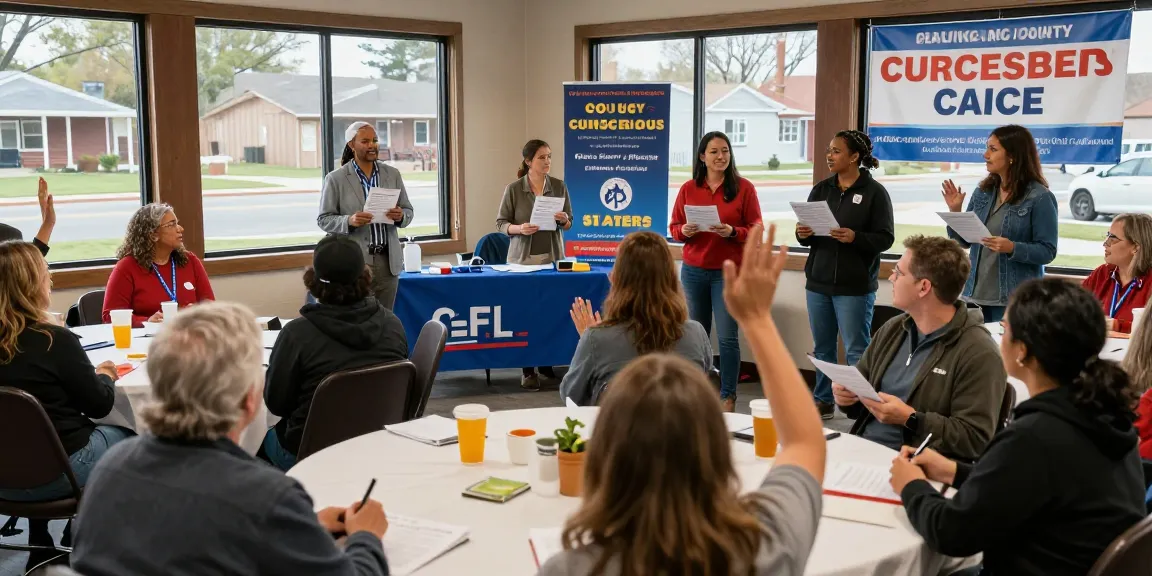
Community outreach is vital for building trust and rapport with voters. Effective strategies may include hosting local events, community forums, and town hall meetings where candidates can directly interact with constituents. Collaborating with local organizations and engaging in volunteer initiatives can also enhance a candidate's visibility and foster a sense of community involvement.
Using Social Media for Voter Engagement
Social media platforms serve as powerful tools for engaging voters, particularly younger demographics. Campaigns should create dynamic content that encourages interaction, such as polls, Q&A sessions, and live broadcasts. Consistent engagement on these platforms can help candidates maintain visibility and build a loyal base of supporters who feel personally connected to the campaign.
Measuring Campaign Success
To ensure a campaign is on the right track, measuring success through various metrics is essential. Effective measurement allows campaigns to adapt strategies as needed.
Key Performance Indicators for Campaign Effectiveness
Establishing clear key performance indicators (KPIs) is crucial for assessing campaign effectiveness. Common KPIs include voter outreach numbers, social media engagement rates, and fundraising milestones. Regularly reviewing these metrics helps campaigns understand what's working and where adjustments are necessary.
Analyzing Voter Feedback and Engagement
Feedback from voters can provide invaluable insights into a campaign's effectiveness. Surveys, focus groups, and social media interactions can help candidates gauge public sentiment and adapt their messaging and strategies accordingly. Listening to constituents' concerns can also foster greater trust and connection between candidates and voters.
Adapting Strategies Based on Data Insights
Flexibility is key in political campaigns. Analyzing data insights and feedback allows campaigns to pivot their strategies in real-time. Whether it's tweaking messaging based on voter responses or reallocating resources to more effective outreach channels, campaigns that remain responsive are often more successful in the long run.
Future Trends in County Commission Campaign Marketing
As we look toward future elections, several trends are emerging in county commission campaign marketing that candidates should be aware of.
Technology Innovations Shaping Political Campaigns
Technology continues to play a transformative role in political campaigns. Innovations such as artificial intelligence, machine learning, and advanced analytics can enhance voter targeting and engagement efforts. Candidates who effectively harness these technologies will likely have a competitive edge in future elections.
Predictions for Voter Behavior in 2026
Understanding voter behavior is crucial for any campaign. As societal issues evolve and voter demographics shift, campaigns must remain attuned to these changes. Predictions for 2026 suggest a heightened focus on local issues and increased civic engagement among younger voters, emphasizing the need for candidates to connect authentically with their constituents.
The Growing Role of Transparency in Campaign Finance
Transparency in campaign finance is becoming increasingly important to voters. Candidates who openly communicate their funding sources and spending practices can build trust with constituents. Future campaigns will likely need to adopt more transparent practices to align with voter expectations.
What Are the Most Effective Campaign Tactics Going Forward?
Successful county commission campaigns will likely leverage a combination of traditional and digital tactics. Engaging storytelling, community involvement, and targeted outreach will remain essential, alongside a strong data-driven approach. As the political landscape continues to evolve, adaptability and innovation will be key drivers of successful campaigning.