
Understanding Mini Split AC Systems
As the demand for energy-efficient heating and cooling solutions grows, mini split ac systems have become a popular choice among homeowners and businesses alike. Offering flexibility, improved energy efficiency, and innovative technology, these ductless air conditioning units provide an excellent alternative to traditional HVAC systems. In this article, we will explore various aspects of mini split AC systems, including their components, benefits, cost-effectiveness, installation processes, and future trends.
What is a Mini Split AC?
A mini split AC, also known as a ductless mini-split system, consists of two main components: an outdoor compressor unit and one or more indoor air-handling units. These systems are designed to provide both heating and cooling without the need for ductwork, making them a versatile solution for a variety of spaces, from single rooms to entire homes.
Key Components of Mini Split Systems
- Outdoor Unit: This component houses the compressor and condenser. It is responsible for dissipating heat to the outside environment.
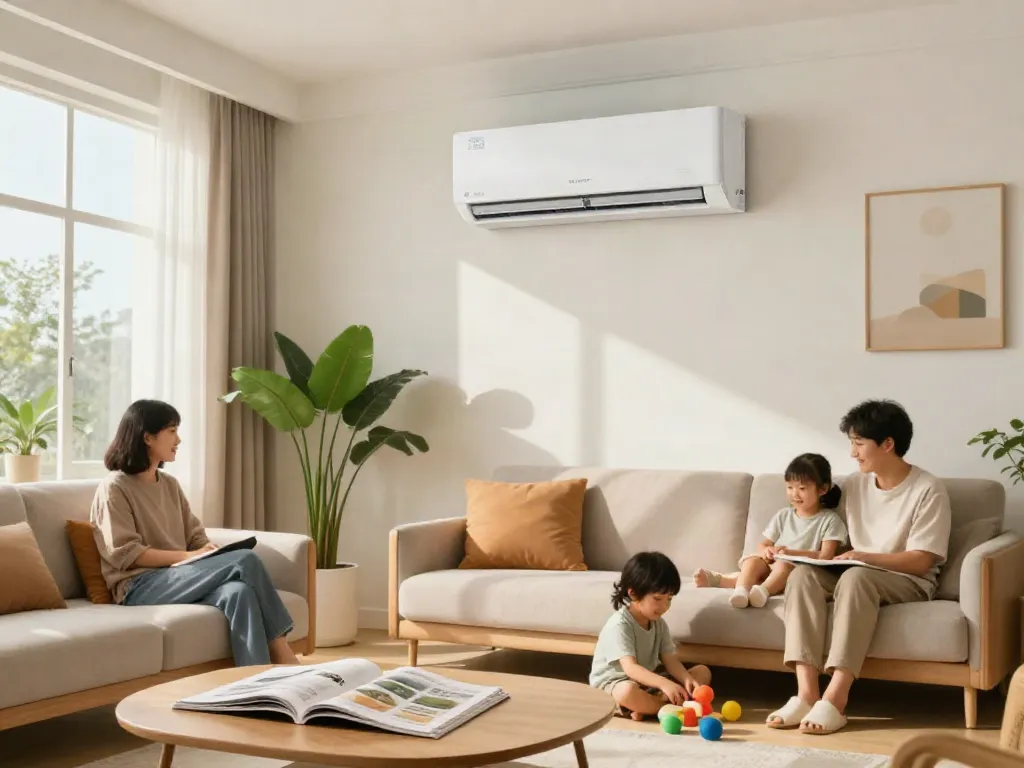
- Indoor Unit: Mounted on walls or ceilings, these units circulate the conditioned air through the space. They come in various styles, such as wall-mounted, ceiling-mounted, or floor-mounted options.
- Refrigerant Line: This line connects the outdoor unit to the indoor units, allowing for the transfer of refrigerant to either heat or cool the indoor air.
- Remote Control: Most mini split systems come with a remote control for easy temperature adjustments and settings.
Benefits of Ductless Air Conditioning
Mini split AC systems offer numerous benefits, making them an attractive choice for many homeowners:
- Energy Efficiency: Mini splits often have higher Seasonal Energy Efficiency Ratios (SEER) than traditional HVAC systems, resulting in lower energy bills.
- Flexible Installation: Their ductless design allows for easier installation, particularly in homes without existing ductwork.
- Individual Room Control: With multiple indoor units, homeowners can control the temperature in different rooms independently, optimizing comfort.
- Reduced Noise: Mini splits operate more quietly than traditional window units, creating a more comfortable living environment.
Cost-Effectiveness of Mini Split AC
In evaluating a mini split system's cost-effectiveness, it's crucial to weigh the initial investment against long-term savings. These systems can vary in price depending on brand, capacity, and installation complexity. However, their higher efficiency ratings can lead to significant reductions in energy consumption.
Initial Investment vs. Long-Term Savings
While the upfront cost of mini split AC systems may be higher than traditional air conditioning units, their energy efficiency can provide substantial savings over time. Homeowners may observe a marked decrease in energy bills, especially during peak cooling months, making a mini split AC a wise long-term investment.
Energy Efficiency Ratings Explained
When shopping for a mini split AC system, it's essential to understand the SEER rating. This rating measures the cooling output during a typical cooling season divided by the total electric input during the same period. A higher SEER rating indicates better energy efficiency, which can lead to lower operating costs.
Budgeting for Installation and Maintenance
The installation costs of a mini split system can vary widely based on the number of indoor units, the complexity of the installation, and local labor rates. Regular maintenance, which includes cleaning filters and checking refrigerant levels, will also impact overall costs. It's advisable to budget for both initial installation and ongoing maintenance to ensure optimal performance.
Installation Process for Mini Split AC
Installing a mini split AC can be straightforward, but several factors need to be considered to ensure a successful setup. Choosing the right location for indoor units, understanding installation requirements, and deciding between professional and DIY installation will all influence the final outcome.
Choosing the Right Location for Indoor Units
Indoor units should be placed in areas where they can efficiently distribute cooled or heated air. Ideally, they should be positioned high on walls for effective air circulation and should avoid obstructions such as furniture or curtains.
Professional vs. DIY Installation: Pros and Cons
Many homeowners may consider a DIY installation to save on costs. However, professional installation can ensure that the system operates efficiently and complies with local building codes. DIY installations may be less expensive but could result in complications if not executed correctly.
Common Installation Challenges and Solutions
Some common challenges faced during the installation of mini split AC systems include finding suitable mounting locations, managing refrigerant lines, and ensuring proper electrical connections. Engaging skilled professionals can mitigate these issues and guarantee a smooth installation process.
Comparing Mini Split AC to Traditional HVAC Systems
When considering cooling solutions, comparing mini split AC systems with traditional HVAC systems is essential. Each system has its advantages and disadvantages depending on the specific needs of the space and its occupants.
Performance in Various Climate Zones
Mini split systems perform exceptionally well in moderate climates, providing effective heating during winter and cooling during summer. In contrast, traditional systems may struggle in extreme weather conditions, making mini splits a reliable option for varied environments.
Space-Saving Advantages of Mini Split Systems
As mini split AC systems do not require ductwork, they take up less space and can be installed in more locations compared to traditional HVAC setups. This feature makes them particularly appealing for homeowners seeking flexible solutions in smaller homes or apartments.
Noise Levels and Aesthetic Considerations
Mini split systems operate quietly, often producing noise levels between 19 and 30 decibels, which is similar to a whisper. Additionally, their sleek design allows for aesthetic integration into modern home decor, unlike bulky window units.
Future Trends in Mini Split AC Technology
As technology continues to evolve, the mini split AC industry is set to embrace innovations that enhance energy efficiency and user experience. Homeowners can expect several exciting developments in the near future.
Innovations in Energy Efficiency for 2026
Upcoming advancements in refrigerants and compressor technology may lead to even higher efficiency ratings for mini split AC systems. These innovations aim to reduce environmental impacts and further lower energy costs for consumers.
Smart Technology Integration in Ductless Systems
Smart home technology is increasingly being integrated into mini split systems. Features such as programmable thermostats, mobile app controls, and AI-driven energy management systems will enhance user convenience and optimize energy consumption.
Predictions for Consumer Preferences and Market Growth
As environmental awareness continues to grow, more consumers are likely to prefer energy-efficient solutions, predicting a robust market growth for mini split systems. The variety of options available will cater to diverse needs, making mini splits a staple in residential and commercial settings alike.
What are the benefits of mini split AC systems?
Mini split AC systems provide numerous advantages, including energy efficiency, flexibility in installation, individual room temperature control, and reduced noise levels.
How much does it cost to install a mini split AC?
The installation cost for a mini split AC system can range from $2,000 to $5,000, depending on factors such as the number of units and installation complexity.
Can mini split AC provide both heating and cooling?
Yes, many mini split systems are designed with heat pump technology, allowing them to efficiently provide both cooling and heating for year-round comfort.
What maintenance is required for mini split systems?
Regular maintenance for mini split systems includes cleaning filters, checking refrigerant levels, and ensuring that the outdoor unit is free from debris to ensure optimal performance.
Are mini split AC systems suitable for all home types?
Mini split AC systems are versatile and can be installed in various home types, including older homes without ductwork, new builds, and apartments. Their flexible installation options make them suitable for a wide range of applications.